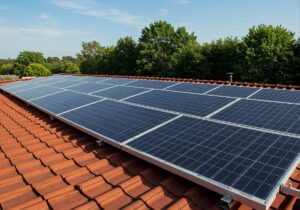
Installing solar panels on a roof has become one of the most popular choices for homeowners who want to reduce their electricity bills, increase their energy independence, and make use of available support programs.
Before the technical installation of a rooftop solar system, however, there is one important step that is often overlooked: the structural assessment of the roof.
Many homeowners assume that solar panels are “light” or that “every roof can support them,” but in reality things are not that simple. Every roof has a different age, construction method, and load-bearing capacity. A structural assessment is therefore essential to determine whether the roof can safely support the additional weight and mechanical stresses caused by the solar panels.
Why is a structural assessment necessary before installation?
This process is not a formality. It ensures that the structure will not develop problems in the future. Solar panels add permanent weight, but more importantly, they introduce extra forces from wind, snow, and concentrated mounting points. On older buildings or tiled roofs, these loads can lead to cracking, tile displacement, or even localized failures.
For these reasons, a structural assessment has become necessary both from a technical and a safety standpoint.
What exactly does the structural assessment include?
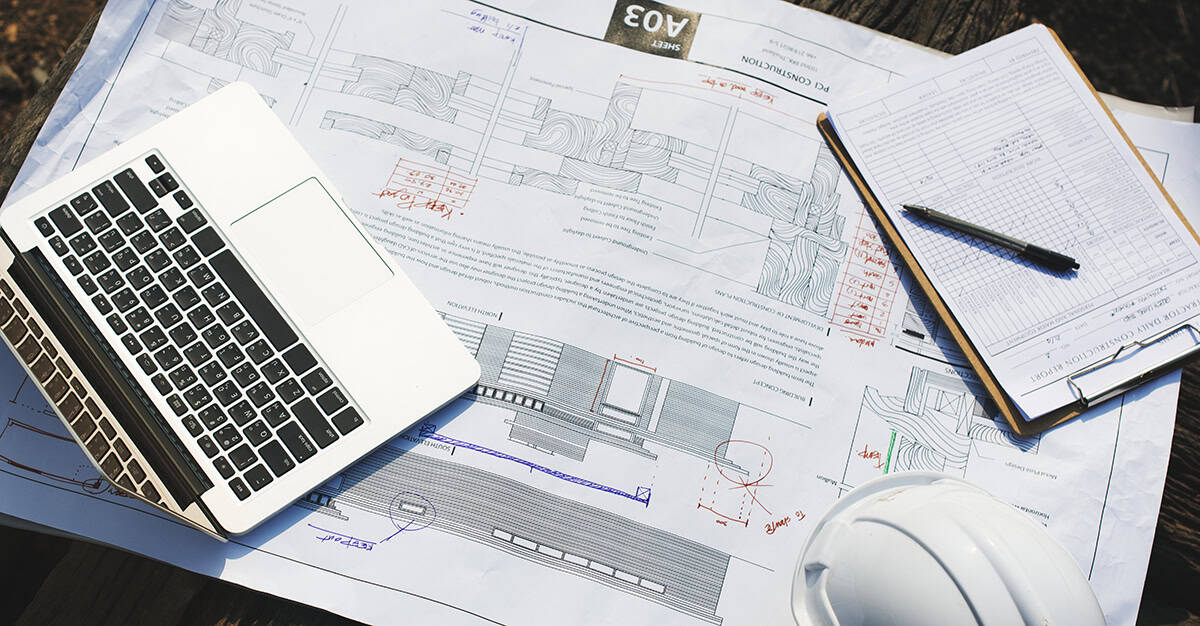
The assessment begins with an on-site inspection. The engineer examines the type of roof (concrete slab, tiled roof, metal structure), its overall condition, and whether there are any visible issues or areas that require closer investigation.
Next, the engineer calculates the loads created by the solar system, such as:
- the weight of the panels
- the weight of the mounting structure
- wind loads (particularly important for tiled roofs)
- snow loads, where applicable
These calculations follow European standards such as EC1, EC2, EC6 and EC8 to ensure full technical documentation and compliance.
The final deliverable is the Structural Adequacy Report, an official document that includes the analysis, conclusions, and—if necessary—recommendations for small or more extensive reinforcements. With this report, the installer can proceed safely.
Is a structural check always required?
In most cases, yes. However, there are specific situations where the assessment is not just advisable — it is mandatory:
Tiled roofs
Tiled roofs are more vulnerable, especially to strong winds, and require proper mounting to avoid future problems.
Older buildings (30–40+ years old)
These buildings may have hidden weaknesses or wear not visible to the naked eye.
Lack of original plans or structural study
Very common in homes built before 1985.
Large system capacity
More panels mean higher loads.
When required by the installer or the grid operator
In many cases, the assessment is now a prerequisite.
What can happen without a structural assessment?
Solar panels are designed to operate for decades. This means the roof must remain structurally stable for decades as well.
Without an assessment, issues may arise such as:
- cracks in beams or slabs
- displacement of roof tiles
- loosening of mounting bases
- localized failures during strong winds
- insurance complications in case of damage
A small issue left unresolved at the beginning can become significantly more expensive to fix later.
What if the roof does not “pass” the assessment?
This does not automatically mean you cannot install solar panels. In most cases, required reinforcements are simple and may include:
- adding metal supports to strengthen a tiled roof
- strengthening a concrete slab with modern materials such as carbon fibers (CFRP)
- changing or improving the mounting system
- placing the panels in a different, more suitable area of the roof
The goal is always safety and long-term durability of the installation.
Cost and completion time
A structural assessment is not a lengthy process. It typically takes 2–4 days, and the cost ranges between €150–350, depending on the type of roof and the complexity of the building.
This cost includes the site inspection, calculations, photographic documentation, and the final report.
Why choose Katsouris Engineering
Our team has extensive experience in the structural analysis of all roof types and has completed numerous assessments for solar installations in both residential and commercial buildings. With every project we ensure:
- technically accurate and safe results
- close cooperation with your installer
- fast turnaround time
- clear, practical recommendations without exaggerations
Our goal is to guarantee a rooftop solar installation that operates safely and reliably for many years.
Planning to install rooftop solar panels?
We can perform the full structural assessment and guide you through every step of the process.