In recent years, extreme weather events – heatwaves, floods, intense storms and wildfires – have become increasingly frequent. Beyond the obvious impact on daily life, they also place significant stress on the buildings we live and work in.
Each type of event affects a building’s structure and materials in different ways, creating damage that is not always immediately visible. Over time, however, these effects can evolve into serious problems. Understanding how extreme weather impacts a building helps property owners identify early warning signs, avoid costly repairs and maintain overall safety.
Heatwaves: silent thermal stress on building materials
High temperatures do more than make indoor spaces uncomfortable. The entire building envelope is constantly expanding and contracting in response to extreme heat.
Materials such as concrete and metal respond to heat by expanding and shrinking, creating micro-movements across the structure. Over time, these movements can lead to fine cracks. On exterior surfaces with insufficient insulation, these cracks can become more pronounced, allowing moisture to penetrate the building and accelerate deterioration.
With prolonged exposure, heatwave stress can:
- cause fine cracking
- weaken insulation layers
- allow moisture infiltration
- make indoor temperature control more difficult
Heatwaves also affect mechanical and electrical systems, which operate under greater strain to cool the interior, resulting in faster wear and reduced efficiency.
Flooding and heavy rainfall: water damage to the envelope and foundations
Water is one of the most damaging forces a building can face. It can infiltrate almost any part of the structure – walls, floors, basements and foundations – often quietly and gradually.
When the soil surrounding the foundations becomes saturated, it loses part of its load-bearing capacity. This can lead to minor or significant settlement of the building. Moisture entering walls and floors can cause plaster detachment, mould growth and deterioration of wooden elements. In many cases, it also damages electrical installations, boilers and heating or cooling systems.
Typical consequences include:
- undermined foundations and settlement
- peeling or blistering paint, plaster detachment and damp surfaces
- mould formation and damage to wood due to trapped moisture
- electrical and mechanical failures after exposure to water
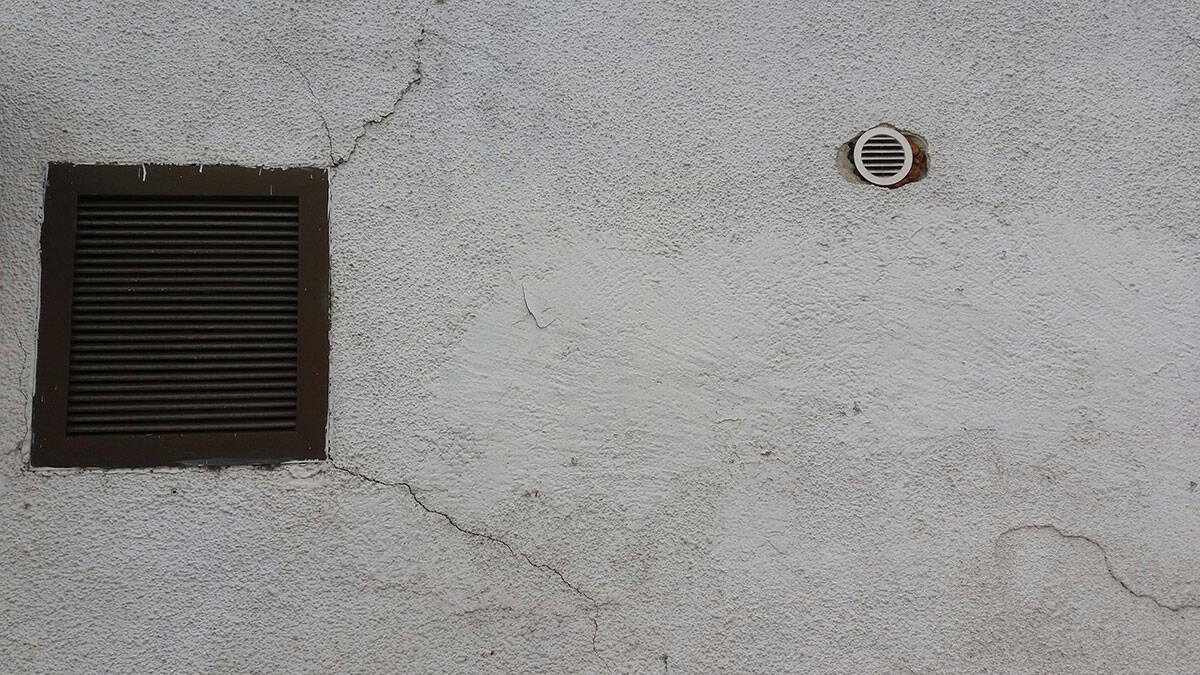
A common symptom is moisture-related cracking: fine lines that initially appear harmless but indicate that water has found a pathway into the building envelope.
Strong winds and storms: mechanical stress on the building envelope
Storms and high winds exert significant pressure on the exterior of a building.
Roofs are often the first elements to be affected: tiles may shift, waterproofing layers can detach, and metal fasteners may loosen. Window frames undergo lateral pressure, and glazing is at risk of breaking during severe weather.
Falling objects – trees, signs or debris from neighboring buildings – can also cause immediate mechanical damage. Even when the damage appears minor, the structural components may have experienced stress that creates weak points requiring inspection.
Wildfires: direct destruction and thermal degradation
Wildfires affect buildings in two ways:
through direct burning of materials, and through thermal degradation, even when the structure does not burn completely.
Reinforced concrete, for example, loses part of its strength after prolonged exposure to high temperatures. Frames, insulation, and finishes can deform or melt, while thermal stress leaves behind microdamage that requires professional assessment.
Even without complete structural loss:
- concrete strength may be reduced
- steel reinforcement can suffer thermal fatigue
- windows, frames and insulation may warp
- microcracks may form, allowing future moisture ingress
Many of these defects are invisible without a detailed technical inspection.
What this means for property owners
Extreme weather affects much more than the appearance of a building. Over time, it can alter its structural behavior, increase indoor humidity levels, reduce energy performance and – in severe cases – pose risks to occupants.
Signs that should not be ignored:
- cracks that appear or grow after bad weather
- blistering, peeling or detached plaster
- damp walls, ceilings or floors
- musty odours or visible mould
- misaligned doors or windows
- damage to the roof or gutters
In such cases, a structural assessment or building pathology inspection is the safest way to determine the extent of the damage.
The need for more resilient buildings
As climate change intensifies weather patterns, building resilience becomes increasingly important.
Modern interventions can significantly reduce the impact of extreme weather events:
- improved thermal and waterproofing systems
- roof reconstruction or reinforcement
- upgraded frames and glazing
- proper rainwater management
- passive design strategies and shading
- structural assessment and strengthening where necessary
Prevention is always more cost-effective than repair.
Frequently Asked Questions (FAQ)
Is it normal for cracks to appear after a storm?
Small, superficial cracks are common, but if they grow or reappear, they may indicate moisture infiltration or stress on the element.
When should a structural assessment be carried out?
If new cracks, settlement, moisture on load-bearing elements or visible post-storm damage occur, a professional assessment is recommended.
Can moisture cause structural damage?
Yes. Moisture gradually deteriorates materials such as concrete, brick and metal, leading to more serious issues if not treated.
How can a building be protected from extreme weather conditions?
Through proper insulation, effective drainage, regular roof maintenance and structural strengthening where needed.